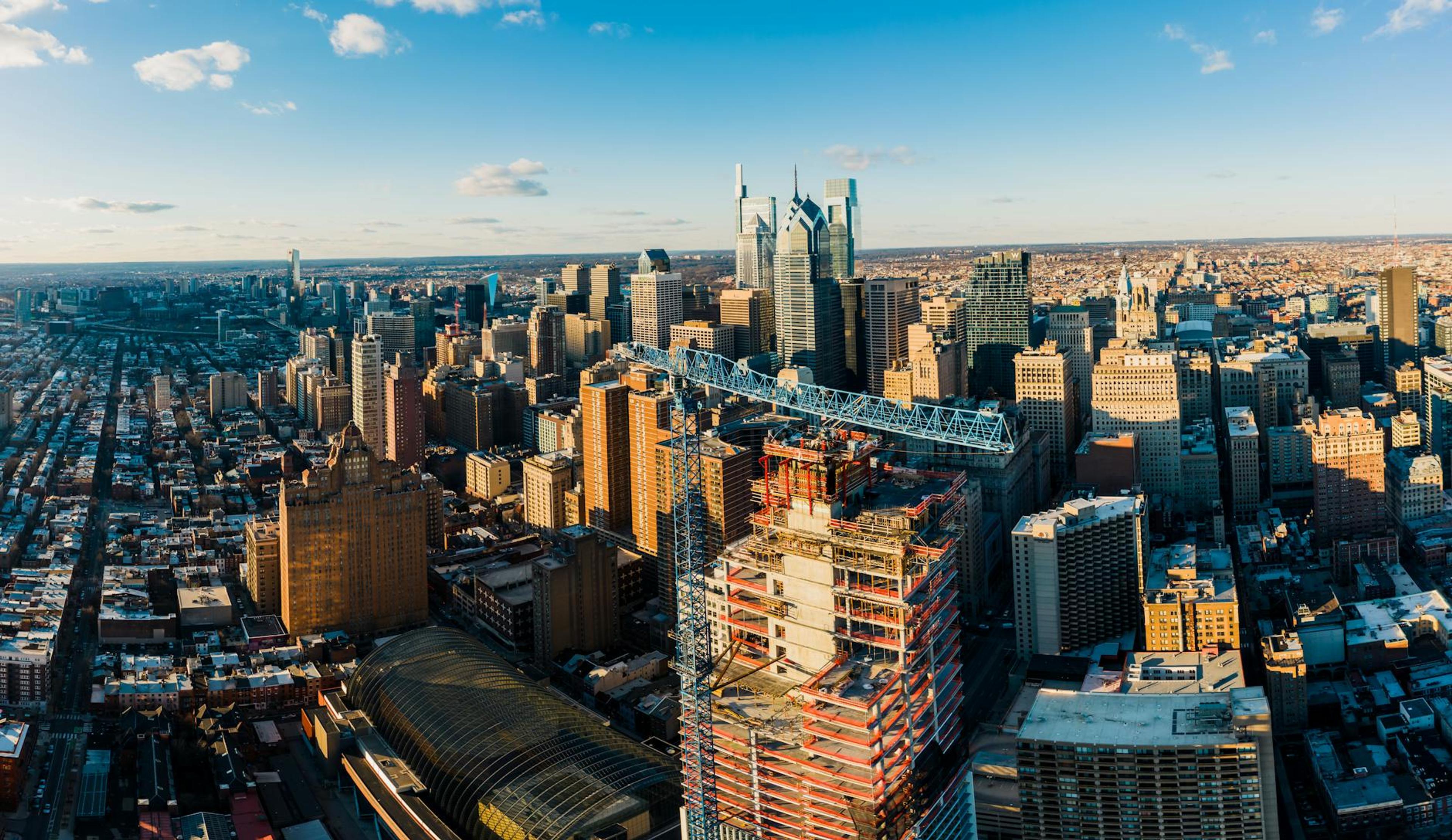
Philadelphia's real estate market continues to outperform national averages in 2025, ranking among America's top five hottest markets. With a perfect storm of limited inventory, population growth, and strategic affordability, the City of Brotherly Love presents compelling opportunities for savvy real estate investors willing to navigate a competitive landscape.
The market's remarkable resilience stems from fundamental economic drivers including robust job growth, an influx of young professionals, and housing costs that remain attractive compared to other East Coast metropolitan areas. However, success in this environment requires understanding specific neighborhood dynamics and timing entry points strategically.
Current Market Performance and Projections
Philadelphia's housing market demonstrates consistent upward momentum with measured growth expectations for 2025. Home prices are projected to appreciate between 2.5% and 4.5%, with median sale prices reaching approximately $256,250 to $261,250 by early 2026.
Alternative market analyses suggest average home prices could approach $290,000 in 2025, representing continued annual increases that have characterized the market since the pandemic recovery. This growth rate, while substantial, remains below historic peaks and indicates a maturing market finding its equilibrium.
Properties currently spend an average of 16 days on market, reflecting strong buyer demand and limited inventory availability. This rapid turnover rate particularly benefits investors who can move quickly on identified opportunities.
Market Statistics Overview
Metric20242025 ProjectedYear-over-Year ChangeMedian Sale Price$275,000$256,250-$261,2502.5%-4.5%Average Home Price$275,000$290,0005.5%Average Monthly Rent$2,100$2,2507.1%Inventory vs Pre-2020-51%-46%5.5% improvementDays on Market16StableMinimal change
Inventory Dynamics and Market Conditions
The Philadelphia market operates in a persistent seller's market environment, with housing inventory remaining 46% below pre-pandemic levels despite modest improvements over the past year. This scarcity creates competitive conditions particularly pronounced in entry-level and mid-tier price segments.
Limited new construction continues constraining supply, while demand from relocating professionals and first-time homebuyers maintains upward pressure on prices. The inventory shortage particularly affects affordable housing segments, creating opportunities for investors willing to acquire and improve properties in emerging neighborhoods.