Florida ranks among the most active rental markets in the country, but it also presents a distinct set of property risks: hurricanes, flooding, sinkholes, and high humidity. A landlord insurance policy that works fine in Ohio may leave a Florida investor exposed in significant ways. Understanding the policy structure before you buy, not after a loss, is what separates investors who recover quickly from those who absorb the hit personally.
What Landlord Insurance Covers (and What It Does Not)
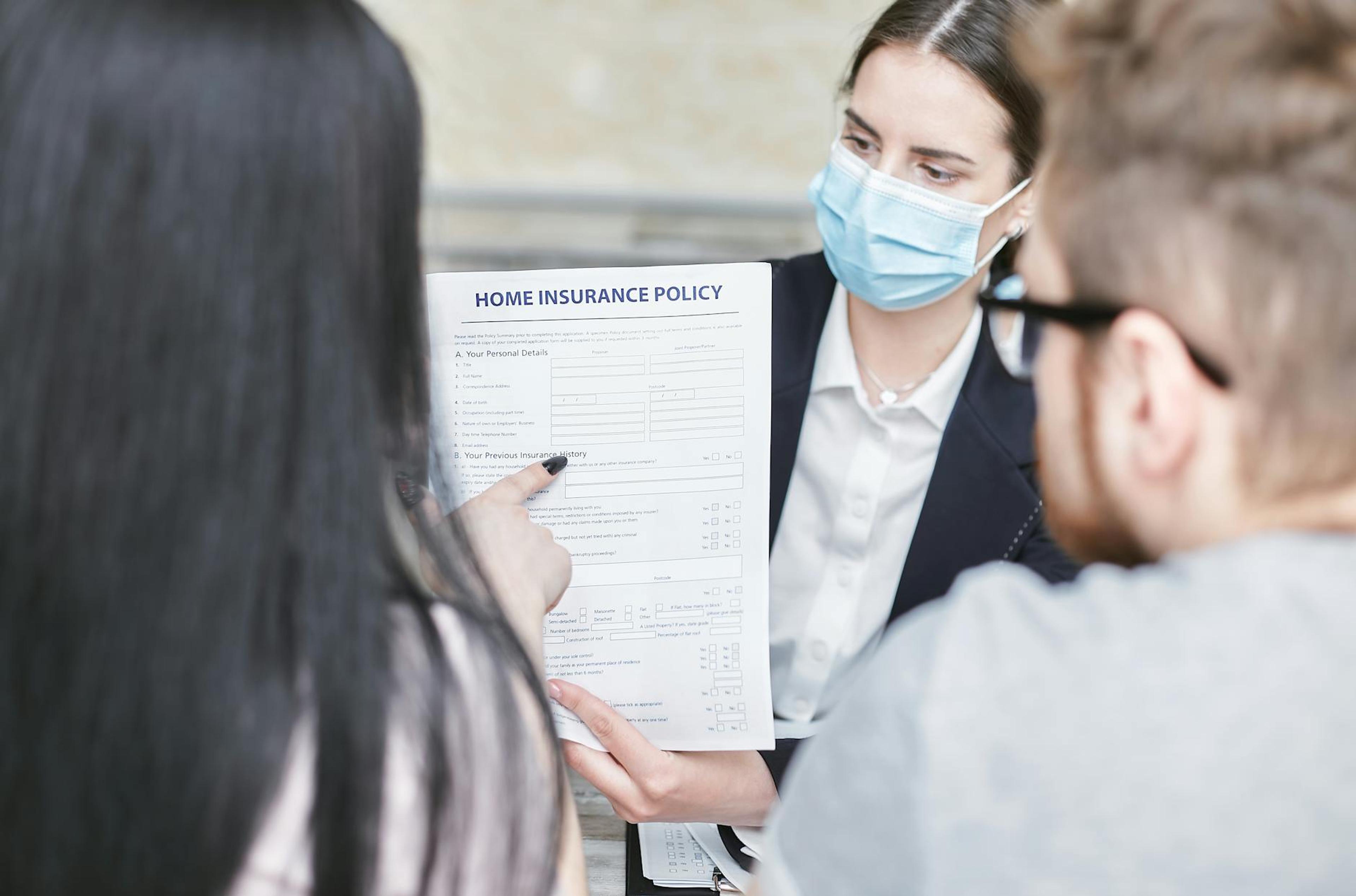
Landlord insurance, also called a dwelling fire policy, protects rental property owners against physical damage to the structure, liability claims from tenants or visitors, and loss of rental income when a covered event makes the property uninhabitable.
A standard homeowner's policy does not cover rental properties. Once a property is tenant-occupied, most carriers require a dedicated landlord policy. The distinction matters because rental properties carry different risk profiles, including higher liability exposure and greater vacancy periods.
Core components of a landlord policy typically include:
- Dwelling coverage: Pays to repair or rebuild the structure after a covered loss.
- Other structures coverage: Covers detached garages, fences, or sheds.
- Loss of rental income: Reimburses lost rent while the property is being repaired after a covered claim.
- Liability coverage: Covers legal costs and judgments if a tenant or guest is injured on the property.
What a standard landlord policy typically does not cover: flood damage, wind damage in high-risk coastal zones, sinkhole damage, and mold remediation. Each of these requires separate attention in Florida.
DP1 vs. DP3 Policies: Choosing the Right Form
Landlord insurance is commonly sold on one of two policy forms. The right choice depends on property condition, occupancy status, and how much risk the investor is willing to retain.
DP1: Named Peril, Actual Cash Value
A DP1 policy covers only the specific perils named in the policy, typically fire, lightning, windstorm, hail, explosion, riot, aircraft, vehicles, smoke, and vandalism. If the cause of loss is not listed, there is no coverage.
DP1 policies pay claims on an actual cash value (ACV) basis, meaning depreciation is deducted from the settlement. A roof that cost $15,000 to install 10 years ago may only pay out $7,000 after depreciation is applied.
DP1 policies are most appropriate for vacant properties or lower-value structures where the investor is primarily protecting against catastrophic loss and wants to keep premiums low.
DP3: Open Peril, Replacement Cost
A DP3 policy covers all causes of loss except those specifically excluded in the policy language. This open-peril structure provides substantially broader protection and is the standard choice for occupied rental properties.
DP3 policies typically pay replacement cost value (RCV) on the dwelling, meaning the carrier pays what it actually costs to rebuild, without depreciation. This distinction is significant after a major loss.
DP3 policies also typically include loss of rental income and liability coverage by default, though limits vary by carrier and can be increased.
For most Florida rental properties, the DP3 is the appropriate baseline, with additional endorsements or separate policies added for Florida-specific risks.
Florida-Specific Risks: Flood, Wind, and Sinkholes
Standard landlord policies, including DP3 forms, exclude three categories of loss that are particularly relevant in Florida.
Flood Insurance
Flood damage is excluded from virtually all standard property insurance policies, regardless of carrier. In Florida, flood risk extends well beyond oceanfront properties. FEMA flood maps show that a significant portion of the state sits in moderate-to-high flood zones, including inland areas in central Florida that have experienced repeated flooding from tropical systems and heavy rainfall events.
Federal flood insurance is available through the National Flood Insurance Program (NFIP), administered by FEMA. As of 2024, NFIP offers up to $250,000 in building coverage for residential structures. Private flood insurance carriers have also expanded in Florida and may offer higher limits or broader coverage terms than the NFIP in some cases.
Investors should check the FEMA Flood Map Service Center (msc.fema.gov) to confirm the flood zone designation for any property before closing. Properties in FEMA Special Flood Hazard Areas (SFHAs, designated with A or V zone prefixes) require flood insurance as a condition of federally backed financing.
Wind and Hurricane Coverage
In many Florida coastal counties, windstorm coverage is excluded from standard landlord policies and must be purchased separately through the Florida Citizens Property Insurance Corporation (Citizens) or a private windstorm carrier. Citizens is the state-backed insurer of last resort and has historically been the primary source of wind coverage in high-risk coastal areas.
The Florida Hurricane Catastrophe Fund (FHCF) provides reinsurance to carriers operating in the state, but investors should understand that coverage availability and pricing for wind have shifted substantially in recent years. Several major carriers have exited the Florida market or significantly reduced their exposure, which has pushed more landlords into Citizens or the surplus lines market.
Windstorm deductibles in Florida are typically percentage-based rather than flat-dollar amounts, often ranging from 2% to 10% of the insured dwelling value. On a $400,000 property, a 5% hurricane deductible means the investor pays the first $20,000 of any hurricane-related claim out of pocket.
Sinkhole Coverage
Florida sits on a limestone substrate that is susceptible to sinkhole formation, particularly in a corridor running through Pasco, Hernando, and Hillsborough counties, sometimes called Sinkhole Alley. Standard policies in Florida are required to cover catastrophic ground cover collapse (a legal definition involving sudden, visible collapse), but coverage for more gradual sinkhole damage requires a separate sinkhole endorsement.
Sinkhole endorsements add meaningful cost to premiums in affected areas. Investors buying in central Florida should request a sinkhole inspection as part of due diligence and understand what their policy covers before finalizing a purchase.
Common Policy Exclusions to Review
Beyond flood, wind, and sinkholes, Florida landlords should review policies for these additional exclusions:
- Mold and fungal damage: Florida's humidity creates favorable conditions for mold growth. Many policies either exclude mold remediation entirely or cap coverage at a relatively low sublimit (often $5,000 to $10,000). Mold remediation costs in Florida regularly exceed $15,000 to $30,000 depending on the extent of the damage.
- Gradual water damage: Slow leaks from plumbing, roofing, or HVAC condensation are often excluded. Carriers distinguish between sudden and accidental water damage (typically covered) and long-term gradual damage that should have been detected through routine maintenance (typically excluded).
- Tenant-caused damage: Intentional or negligent damage caused by tenants is not always covered under a standard landlord policy. Some carriers offer a vandalism endorsement that addresses this. Others exclude tenant damage explicitly.
- Building code upgrades: After a loss, local codes may require upgraded materials or systems during reconstruction. Ordinance or law coverage pays for these required upgrades and is worth adding to any policy in Florida, where building codes have been updated substantially since Hurricane Andrew.
Coverage Limits and Adequacy
One of the most common errors Florida landlords make is insuring the property for its market value rather than its replacement cost. These figures can differ significantly, especially for older properties or in high-demand markets where land value comprises a large portion of the purchase price.
Replacement cost should reflect the actual cost to rebuild the structure at current labor and material prices. In Florida, construction costs have increased materially since 2020 due to supply chain issues and labor market tightness. Policies with dwelling coverage limits set several years ago may be substantially underinsured today.
Landlords should also review their loss of rental income limit. Most policies default to covering six to twelve months of lost rent. For properties with high monthly rents or in areas where reconstruction timelines are longer due to contractor availability, increasing this limit is worth the additional premium.
Practical Steps for Florida Landlords
- Start with a DP3 policy as the base for any occupied rental property. Add endorsements from there based on the property's location and risk profile.
- Obtain a separate flood insurance policy regardless of whether the property is in a designated flood zone. NFIP policies can be purchased through any licensed insurance agent.
- Confirm windstorm coverage. Ask your agent explicitly whether wind is included in your policy or excluded. If excluded, obtain a separate wind policy through Citizens or a private carrier.
- Request an ordinance or law endorsement. This is especially important for properties built before Florida's post-Andrew building code reforms (1994 and later updates).
- Review liability limits. Standard policies often include $100,000 to $300,000 in liability coverage. Investors with multiple properties or significant net worth should consider an umbrella policy to extend liability protection across the portfolio.
- Document the property thoroughly. Maintain dated photo and video records of property condition, kept off-site or in cloud storage. Documentation supports claims and helps resolve disputes about pre-existing damage.
Evaluating Total Insurance Cost at Acquisition
Florida's insurance market has become a significant factor in rental property underwriting. Investors should obtain actual insurance quotes before closing, not estimates. Premium costs in coastal counties, sinkhole-prone areas, and older construction can materially affect cash flow projections and debt service coverage ratios.
A property with a strong gross rent figure may produce weak net cash flow once wind, flood, and sinkhole coverage are accounted for. Treating insurance as a line item to be confirmed during due diligence, the same as property taxes or HOA fees, prevents surprises after closing.
For investors building a Florida portfolio, shopping coverage annually and working with a broker who specializes in landlord insurance (rather than a generalist personal lines agent) is worth the effort. The difference in premium and coverage terms between carriers in Florida's current market is substantial.